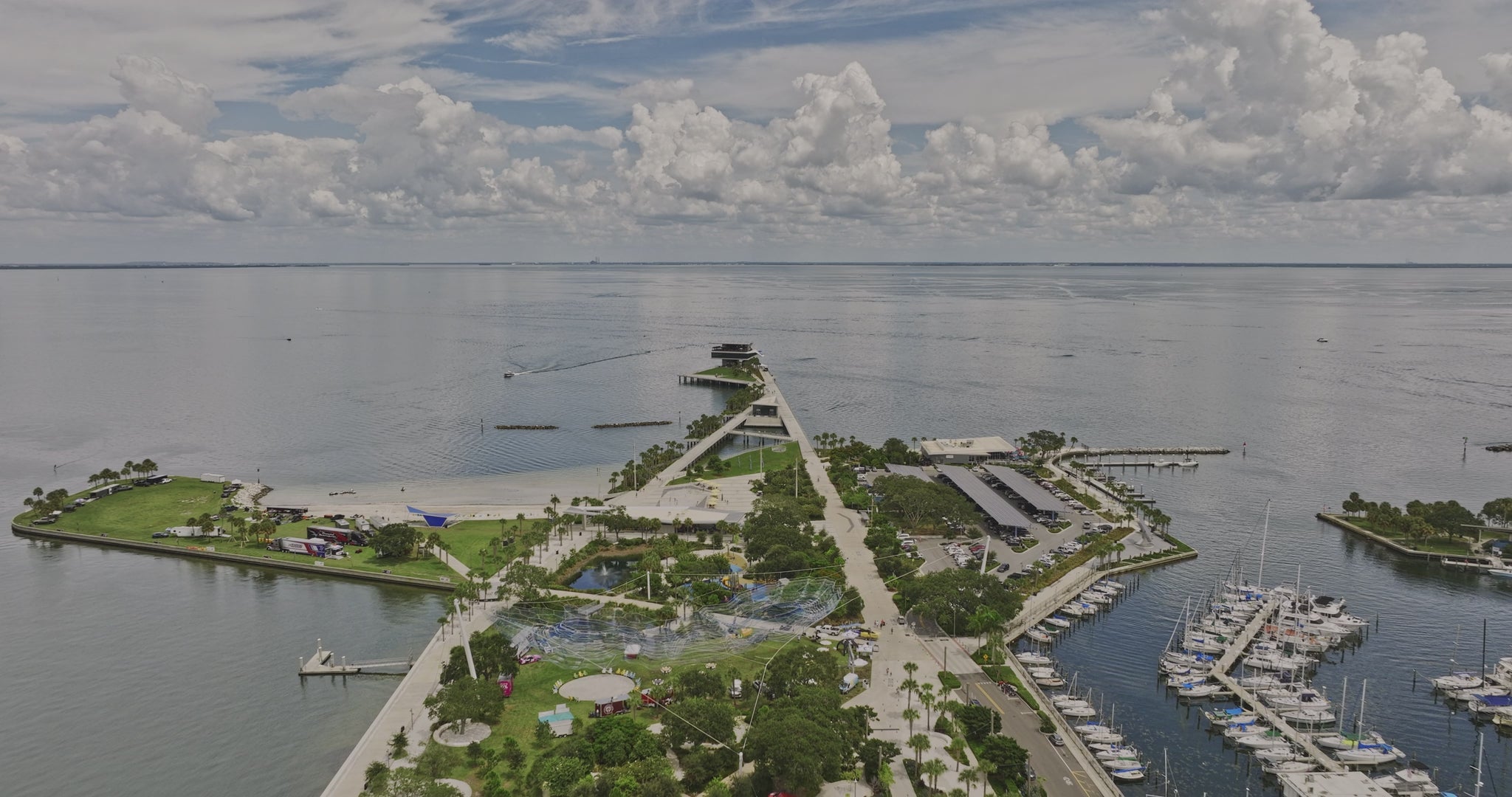


- Florida summer UV runs Very High to Extreme. Expect a max UV Index of 9–11+ from June through August, peaking in July.
- Clouds and storms don't stop the UV. It cuts through afternoon thunderstorms, and skin can burn in about 15 minutes at these levels.
- Avoid the midday peak. UV is strongest from 10 a.m. to 2 p.m. (UVB until about 4 p.m.), so aim for early morning or later afternoon.
- Make UPF clothing your base layer. It covers skin all day and doesn't wear off in sweat or water, so sunscreen is just for what's exposed.
- Check the UV Index daily. Florida's conditions shift fast, so the day's forecast is your best option to plan well.
Planning a summer trip to Florida? Whether you're heading to the beach, exploring theme parks, or just soaking in the sunshine, there's one thing you shouldn't overlook: UV exposure. Florida's summer months bring some of the highest UV levels in the U.S. But with a few sun protection strategies, you can enjoy it all safely.
If you're visiting Florida in the summer or living in Florida, this guide explores the average weather, UV Index, and best sun protection tips for each summer month: June, July, and August, so you can live well under the sun all season long.
Florida Summer Weather & UV Index by Month
| Month | Avg High (°F/°C) | Avg Low (°F/°C) | Avg Max UV Index | Humidity | Rain Frequency |
|---|---|---|---|---|---|
| June | 88–90°F / 31–32°C | 73–75°F / 23–24°C | 9–11+ (Very High to Extreme) | 70–80% | Afternoon thunderstorms |
| July | 90–92°F / 32–33°C | 75–76°F / 23–24°C | 11+ (Extreme) | 75–85% | Daily rain likely |
| August | 90–91°F / 32°C | 75–76°F / 23–24°C | 9–11 (Very High to Extreme) | Very high | Frequent afternoon rain |
Note: UV Index categories follow the EPA's UV Index scale, where 8–10 is Very High and 11+ is Extreme. These values reflect typical summer peak levels, not exact daily conditions, and the temperatures are climatological averages. Florida's weather can shift quickly with clouds and storms, so checking the daily UV forecast is the best way to plan.
This quick chart offers a helpful snapshot of what you'll encounter during the summer months in Florida. With that in mind, let's take a closer look at each month's conditions and how to stay protected.
Florida in June Weather: Hot Days, Very High UV & Sun Safety Tips
June marks the beginning of Florida's intense summer climate. Conditions grow hotter and more humid as the month progresses, with humidity climbing into the 70–80% range and afternoon thunderstorms picking up inland, laying the groundwork for the high UV season ahead.
UV Index in June
Expect maximum UV levels to reach 9–11+ on most days, placing June firmly in the Very High category. The sun climbs quickly this time of year and UV intensity stays elevated for several hours.
Peak UV hours run from 10 a.m. to 2 p.m., though UVB rays, which are responsible for sunburn, remain strong until about 4 p.m. During this window, unprotected skin can begin to burn in as little as 15 minutes.
By mid-June, UV levels stay high even on overcast or breezy days, so daily awareness helps you plan safe outdoor time.
Sun Protection Tips for June
With the season just beginning, now's the time to establish a solid sun safety routine before your skin takes a hit.
- If you're visiting Florida in June, start prioritizing your sun protection essentials early in the season, including lightweight UPF apparel, broad-spectrum sunscreen, UV-blocking sunglasses, and wide-brimmed hats for both adults and kids.
- Don't be fooled by clouds or cooler breezes, UV rays penetrate through both
- Check the UV Index daily and aim for outdoor activities before 10 a.m. or after 4 p.m.
Taking early precautions can help you adjust comfortably to the rising UV levels and get the most out of your trip without the burn, especially for children. Their skin is more sensitive to UV damage, so keeping them protected with age-appropriate sun protection matters even more.
Florida in July: Peak Heat, Extreme UV & How to Protect Yourself
July is one of Florida's hottest and most humid months, with humidity often in the 75–85% range. Intense sun, a heat index that often tops 100°F (37°C), and sudden afternoon rain showers define the peak of midsummer. Even with brief cloud cover, UV levels remain extremely high throughout the day.
UV Index in July
July's UV Index in Florida is exceptionally high. Even on cloudy days, UV rays penetrate the atmosphere and can cause damage, so sun protection matters even then.
Expect midday UV levels to reach 11+ on many days, which falls into the Extreme category. July is one of the most dangerous months for unprotected sun exposure, and skin can begin to burn very quickly without proper protection.
Sun Protection Tips for July
Protection during Florida's hottest month means being extra diligent with coverage, hydration, and smart timing for outdoor activities, especially when a heat wave rolls through.
- If you're traveling to Florida in July, UPF 50+ clothing is your most reliable layer when spending extended time outdoors. It helps protect areas where sunscreen tends to wear off easily, such as the shoulders and upper back.
- Use water-resistant sunscreen if visiting beaches or pools. Reapply every two hours.
- Seek out portable UPF- or UVE-rated shade (like certified umbrellas or pop-up tents) for beach days or park visits
Sticking to a reliable sun protection routine in July can help prevent burns, heat exhaustion, and long-term skin damage during one of the most intense months of the year in Florida.
Florida in August: Intense Heat & Humidity, Extreme UV & Smart Sun Habits
As summer winds down, August keeps the heat and humidity high, and many underestimate how strong the sun can still be this late in the season. There's little real break from the summer intensity: heat, humidity, and UV levels stay high all month long, with near-daily afternoon thunderstorms and steamy conditions right up until September and fall begin.
UV Index in August
Even as the days become slightly shorter, August maintains Very High UV levels across Florida. It is easy to underestimate the sun this time of year, but protection is still just as important as it was in midsummer.
Expect maximum UV levels between 9 and 11 on most days, which falls into the Very High to Extreme range. Shorter daylight hours do not significantly reduce risk, since UV intensity remains strong through the early afternoon.
Consistent sun protection matters, especially during back-to-school travel, family trips, or late-summer getaways when UV levels are still at their peak.
Sun Protection Tips for August
Staying consistent with sun protection in late summer ensures you avoid cumulative damage, especially if you're vacationing before the season wraps up.
- If you're visiting Florida in August, don't let the end-of-summer mindset lead to lapses in protection, since UV damage is cumulative
- Wide-brimmed hats and UV-blocking sunglasses help protect sensitive areas like the face, scalp, and eyes
- Daily UPF clothing makes it easier to stay protected even when you're not reapplying sunscreen
August calls for steady sun safety habits to wrap up summer with your skin in good shape.
Frequently Asked Questions About Florida UV During the Summer Months
Florida's sunshine is no joke, especially in summer. Whether you're a local or planning a visit, here are some quick answers to the most common questions about UV exposure and how to stay protected during the hottest months.
What's the weather like in Florida in June, July, and August?
Hot, humid, and sunny. Temperatures range from 88–92°F (31–33°C), with frequent afternoon thunderstorms.
What is the UV Index in Florida during summer?
From June to August, Florida's maximum UV Index regularly ranges from 9 to 11+, which is considered Very High to Extreme.
What is the highest UV Index in Florida?
During the summer months, Florida's UV Index frequently reaches 11 or higher, especially between 10 a.m. and 2 p.m. On some especially clear and sunny days, inland or southern areas of Florida have recorded UV Index values as high as 12.
Are UV rays stronger in Florida?
Yes. Florida's location closer to the equator, frequent clear skies, and reflective surfaces like sand and water contribute to stronger UV radiation year-round, especially in summer and even through winter.
What are the best sun protection tips for Florida during the summer?
Wear UPF 50+ clothing, use broad-spectrum SPF 30 or higher, reapply sunscreen often, and avoid peak UV hours (10 a.m. to 2 p.m.).
How to Make the Most of Visiting Florida in the Summer
Florida's sunshine is one of its biggest draws in the summer, but it's also when UV exposure is at its most intense. Long days, clear skies, and high sun angles mean UV levels regularly reach Very High to Extreme levels across the state. Being sun-safe in summer isn't about staying indoors or skipping the fun. It's about planning ahead so you can enjoy Florida's outdoor lifestyle comfortably and confidently.
Beach days, theme parks, boating, pool time, outdoor activities and dining are all part of a Florida summer. With the right habits in place, and a sense of what to wear on the hottest days, you can enjoy them without the discomfort of sunburn or the long-term effects of repeated UV exposure.
The habits are simple: check the day's forecast, default to lightweight UPF 50+ clothing, apply broad-spectrum sunscreen to exposed skin and reapply every two hours, plan outings for the morning or late afternoon, and take shade and water breaks when the sun peaks. Small adjustments, but they're the difference between enjoying a Florida summer and hiding from it.
Sun Protection Made Easy with Essuntials®
Florida summers come with powerful sun, high UV, and humidity that makes constant sunscreen reapplication a challenge. That's why UPF 50+ clothing becomes your most dependable layer of protection. When you pair it with sunscreen on exposed areas, you get coverage that keeps up with long days outdoors.
At Essuntials, we design soft, breathable UPF 50+ apparel that blocks at least 98% of UV rays and still feels like your favorite tee. Born in the Sunshine City, we understand the reality of living in the heat, from beach days and boating to outdoor workouts and everyday errands. Our goal is simple: make staying protected feel natural, comfortable, and low-maintenance all summer long.
The Essential Takeaway: Be Prepared and Stay Protected During Florida Summers
Summer in Florida is bright, hot, and full of adventure. Between the soaring temperatures and extreme UV levels from June through August, planning ahead becomes part of enjoying the season. A good sun strategy helps you make the most of every moment.
From long days at Orlando's attractions to afternoons in Miami, boat days in Tampa Bay, or beach time in St. Pete and the Gulf Coast, summer often means hours under direct sun. Choosing breathable UPF 50+ clothing, seeking shade when possible, and applying sunscreen consistently can keep your trip comfortable and sunburn-free so you can focus on having fun.
A Florida summer is something to enjoy, not endure, and it's easier to enjoy when the best sun protection is the kind you can live in.
Content Disclaimer: This website offers general information about health and related subjects. All content and media on the Essuntials® website are published online for informational and educational purposes only. We do not claim ownership over any 3rd-party content used, which belongs to its respective owners. It is not a substitute for professional medical advice and should not be relied on as health or personal advice. For any medical concerns, please seek professional medical advice.